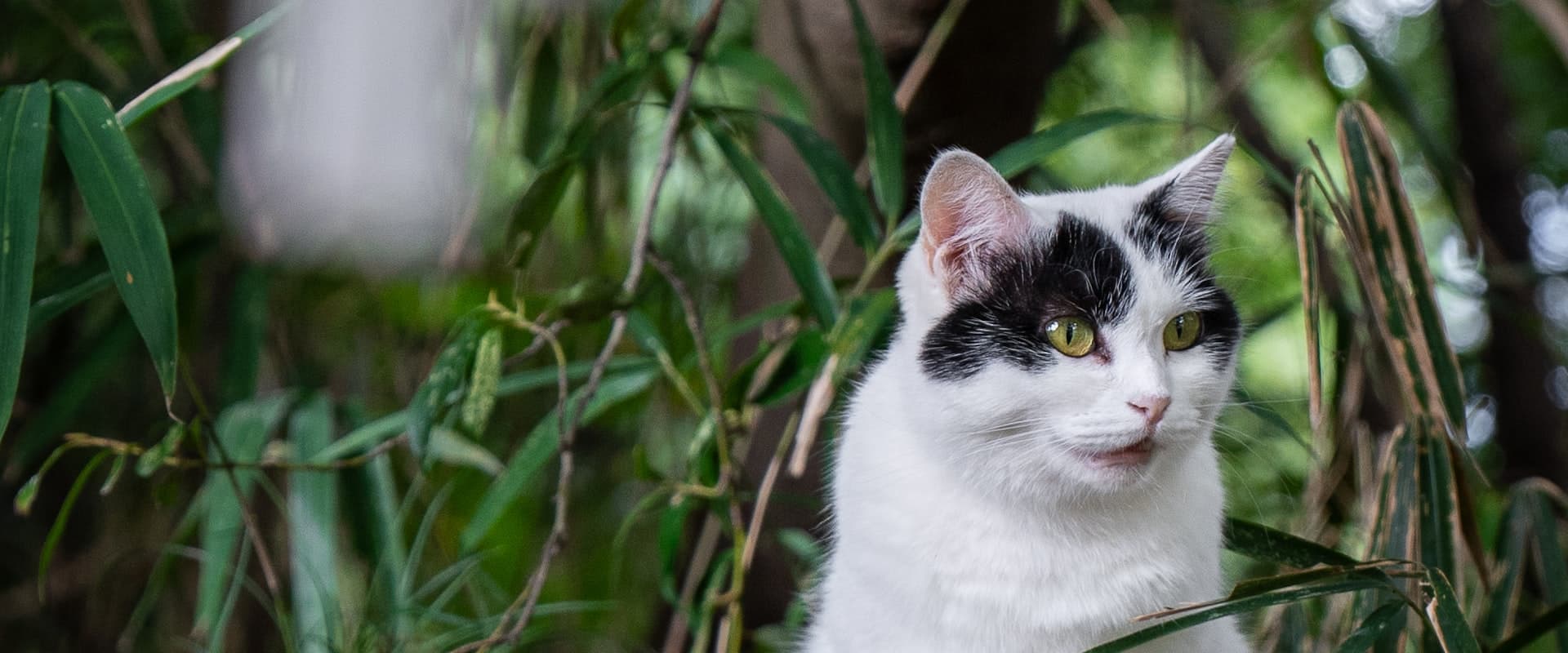
Cat Islands in Japan
Discover 15 islands across Japan where cats roam free and outnumber humans. From remote fishing islands to accessible coastal towns — complete visitor guides with ferry info, best seasons, and insider tips.
Japan's 15 Cat Islands: Quick Access Guide (2026)
Get insider tips, maps, and guides delivered to your inbox. No spam, unsubscribe anytime.
15
Cat Islands
10
Prefectures
8
Easy to Access (under 20 min)
All Cat Islands
Select an island for the complete visitor guide with access details and tips.
Tashirojima
Miyagi Prefecture
View full guide →
Aoshima
Ehime Prefecture
View full guide →
Ainoshima
Fukuoka Prefecture
View full guide →
Manabeshima
Okayama Prefecture
View full guide →
Ogijima
Kagawa Prefecture
View full guide →
Sanagishima
Kagawa Prefecture
View full guide →
Muzukijima
Ehime Prefecture
View full guide →
Iwaishima
Yamaguchi Prefecture
View full guide →
Genkaishima
Fukuoka Prefecture
View full guide →
Okishima
Shiga Prefecture
View full guide →
Enoshima
Kanagawa Prefecture
View full guide →
Sakurajima
Kagoshima Prefecture
View full guide →
Tomonoura
Hiroshima Prefecture
View full guide →
Onomichi
Hiroshima Prefecture
View full guide →
Shiroishi Island
Ehime Prefecture
View full guide →
Planning Your Cat Island Visit
What to Bring
- - Cat food (dry kibble works best)
- - Water and snacks for yourself
- - Comfortable walking shoes
- - Sunscreen and a hat (limited shade on many islands)
- - Cash (most islands have no ATMs)
Cat Etiquette
- - Let cats approach you, don't chase them
- - Avoid picking up cats unless they are clearly comfortable
- - Don't use flash photography
- - Clean up after feeding (bring a small bag)
- - Respect the local residents — these are their homes
Frequently Asked Questions
Cat islands are small Japanese islands where the cat population significantly outnumbers the human population. These islands became famous for their free-roaming, friendly cats that have lived alongside fishing communities for generations. There are approximately 15 well-known cat islands across Japan.
Tashirojima in Miyagi Prefecture and Aoshima in Ehime Prefecture are the two most famous cat islands. Tashirojima is known for its cat shrine (Neko Jinja), while Aoshima gained worldwide attention for having over 120 cats and only 6 human residents.
Most cat islands are reached by ferry from a nearby port. Ferry durations range from 10 to 70 minutes. Some locations like Enoshima and Onomichi are connected to the mainland and accessible without a ferry.
The islands themselves are free to visit. You only need to pay for the ferry ride (typically ¥500-2,000 round trip depending on the island). There are no entrance fees.
Bringing cat food is generally welcome and appreciated. Avoid feeding human food to the cats. Some islands have designated feeding areas. Always clean up after feeding.
Cat islands have existed for decades as natural communities where cats and humans coexist. Many islands have volunteer organizations managing cat health, including TNR (trap-neuter-return) programs. Respectful tourism helps support these communities economically.
Cat Island Articles
Tashirojima: A Day on Japan's Most Famous Cat Island
First-person account of visiting Tashirojima. Ferry details, what to bring, the cat shrine, and practical tips from an actual visit.
Cat IslandsAoshima: The Island with 20 Cats per Person
Aoshima has the highest cat-to-human ratio in Japan. How to visit this tiny island with only 2 ferries per day.
Cat IslandsComparing Japan's Cat Islands: Which One Should You Visit?
Not all cat islands are equal. Compare accessibility, cat populations, facilities, and experiences to find your perfect island.
Cat IslandsThe History Behind Japan's Cat Islands
Why do some Japanese islands have so many cats? The fascinating history of fishing, silkworms, and feline migration.
Cat IslandsVisiting Cat Islands in Winter: Is It Worth It?
Most guides say spring or autumn, but winter cat island visits have their own magic. What to expect and how to prepare.
Cat IslandsHow to Photograph Cats on Japanese Islands
Photographing island cats requires different techniques than studio pets. Tips for composition, light, and capturing authentic moments.